How to Prepare Your Lawn for Winter in Minnesota: The Complete Homeowner Guide
Minnesota winters are long, cold, and unforgiving—and your lawn feels every bit of it. Between freezing temperatures, heavy snowfall, and months of dormancy, your grass goes through significant stress each year. If you don’t properly prepare your lawn in the fall, you may end up dealing with patchy grass, weed overgrowth, and costly repairs when spring arrives. Many homeowners underestimate how much damage can occur during the winter months, only realizing the impact once the snow melts and problem areas begin to show. Harsh freeze-thaw cycles, ice buildup, and prolonged snow cover can weaken even healthy lawns if they are not properly maintained ahead of time.
The good news is that a healthy, vibrant lawn in spring starts with the right steps in the fall. By taking the time to prepare your lawn before winter hits, you can protect your grass, strengthen its root system, and set it up for strong growth once temperatures rise again.
This complete guide walks you through everything you need to know about preparing your lawn for winter in Minnesota.
Why Winter Preparation Matters in Minnesota
Minnesota’s climate is particularly tough on lawns. Unlike warmer states, where grass may stay active year-round, most Minnesota lawns consist of cool-season grasses like Kentucky bluegrass and fescue. These grasses thrive in spring and fall but go dormant during the winter.
Without proper preparation, your lawn can suffer from:
- Snow mold and fungal diseases
- Compacted soil from heavy snow
- Weak root systems
- Increased weed growth in spring
- Thinning or dead patches
Fall is the most important season for lawn care because this is when your grass stores nutrients and builds strength for winter survival. What you do now directly impacts how your lawn looks months from now.
Step 1: Continue Mowing Until Growth Stops
One of the most common mistakes homeowners make is stopping mowing too early. Even as temperatures drop, your grass continues to grow until the first hard freeze.
Keep mowing regularly throughout the fall season. As you approach the final mow of the year, gradually lower the blade height to around 2.5 to 3 inches. This height is ideal because:
- It prevents grass from becoming too long and matted under snow
- It reduces the risk of snow mold
- It still allows enough blade length to support root health
Avoid cutting your grass too short, as this can stress the lawn and make it more vulnerable to winter damage.
Step 2: Remove Leaves and Yard Debris
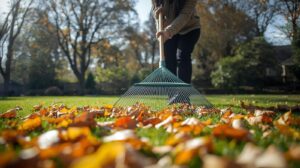
Fallen leaves may look harmless, but they can quickly become one of the biggest threats to your lawn during winter.
When leaves accumulate, they:
- Block sunlight from reaching the grass
- Trap moisture, leading to mold and disease
- Create a breeding ground for pests
Make it a habit to rake or mulch leaves regularly throughout the fall. If you prefer a more efficient approach, use a mulching mower to break leaves into smaller pieces that can decompose and add nutrients back into the soil.
However, don’t leave thick layers of leaves sitting on your lawn—especially before the first snowfall.
Step 3: Aerate Your Lawn for Better Soil Health
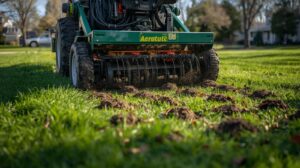
Soil compaction is a major issue in Minnesota lawns, especially after a summer of foot traffic and outdoor activity. Compacted soil makes it difficult for water, oxygen, and nutrients to reach the grass roots.
Core aeration is one of the most effective ways to relieve compaction. This process involves removing small plugs of soil to create space for air and nutrients to penetrate deeper into the ground.
Benefits of fall aeration include:
- Improved root growth
- Better water absorption
- Stronger resistance to drought and disease
- Healthier soil structure
The best time to aerate your lawn in Minnesota is between late August and mid-October, before the ground freezes.
Step 4: Apply a Winter Fertilizer
Fertilizing your lawn in the fall is arguably the most important step in winter preparation.
During this time, your grass shifts its energy from top growth to root development. Applying a slow-release fertilizer provides essential nutrients that your lawn can store and use throughout the winter.
Look for a fertilizer that is:
- High in potassium (for stress resistance)
- Balanced with nitrogen for steady growth
- Designed specifically for fall or winter use
Apply fertilizer about 2–3 weeks before the first hard freeze. This allows the nutrients to absorb into the soil while the grass is still active.
A properly fertilized lawn will:
- Develop stronger roots
- Green up faster in spring
- Be more resistant to disease and stress
Step 5: Control Weeds Before Winter
If you think weed control is only a spring or summer task, think again. Fall is actually one of the most effective times to eliminate weeds.
During autumn, weeds are actively absorbing nutrients to prepare for winter. Applying a herbicide during this time allows the treatment to travel directly to the roots, making it more effective.
Common Minnesota lawn weeds include:
- Dandelions
- Clover
- Creeping Charlie
Treating weeds in the fall reduces their ability to return in the spring, giving your grass a better chance to thrive.
Step 6: Overseed Thin or Bare Areas
Summer heat, drought, and heavy use can leave your lawn looking thin or patchy. Fall is the perfect time to overseed and restore those areas.
Cool-season grasses grow best in cooler temperatures, making early fall ideal for seed germination.
Benefits of overseeding in fall:
- Fills in bare spots
- Thickens your lawn
- Improves resistance to weeds
- Enhances overall appearance
For best results:
- Aerate before overseeding
- Keep the soil consistently moist
- Choose grass seed suitable for Minnesota’s climate
Step 7: Water Your Lawn Appropriately
Even though temperatures are dropping, your lawn still needs water in the fall—especially if rainfall is limited.
Aim to provide about 1 inch of water per week until the ground begins to freeze. Proper hydration helps your grass store nutrients and maintain root health.
Avoid overwatering, as excess moisture can contribute to fungal growth and disease.
Step 8: Prevent Snow Mold and Winter Diseases
Snow mold is one of the most common lawn diseases in Minnesota. It appears as gray or pink patches on your lawn after the snow melts in spring.
To reduce the risk of snow mold:
- Keep your grass at the proper height before winter
- Remove leaves and debris
- Avoid heavy nitrogen fertilization late in the season
- Minimize foot traffic on frozen grass
Taking preventive measures in the fall can save you from dealing with unsightly damage later.
Step 9: Winterize Your Sprinkler System
Minnesota winters bring freezing temperatures that can cause serious damage to irrigation systems.
Before the first freeze:
- Shut off the water supply
- Drain all pipes and sprinkler heads
- Use compressed air to blow out remaining water if needed
Failing to winterize your system can lead to cracked pipes and expensive repairs.
Step 10: Protect Your Lawn During Winter
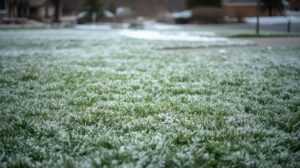
Once winter arrives, your lawn enters a dormant state. While there’s not much maintenance required, it’s still important to protect your grass.
Avoid:
- Walking repeatedly on frozen grass
- Piling snow in the same areas
- Leaving heavy objects on the lawn
These actions can damage the grass and lead to dead spots in the spring.
Common Mistakes to Avoid
Even with the best intentions, many homeowners make simple mistakes that can harm their lawn.
Avoid these common errors:
- Stopping mowing too early
- Leaving thick layers of leaves
- Skipping fall fertilization
- Ignoring soil compaction
- Waiting too long to winterize irrigation systems
Being proactive in the fall makes all the difference when it comes to lawn health.
When Should You Start Preparing Your Lawn?
In Minnesota, timing is everything. Most fall lawn care tasks should begin in late August and continue through October.
Here’s a simple timeline:
- Late summer (August–September): Aeration and overseeding
- Early fall (September–October): Fertilization and weed control
- Late fall (October–November): Final mowing and cleanup
Starting early ensures your lawn has enough time to absorb nutrients and prepare for dormancy.
Why Hiring a Professional Lawn Care Service Can Help
Preparing your lawn for winter can be time-consuming and physically demanding. It also requires proper timing, equipment, and knowledge of local conditions.
A professional lawn care service can:
- Ensure tasks are completed at the right time
- Use high-quality fertilizers and equipment
- Identify potential issues early
- Save you time and effort
Most importantly, professionals understand Minnesota’s climate and how to properly care for cool-season grasses.
Get Your Lawn Winter-Ready Today
A healthy lawn doesn’t happen by accident—it requires preparation, consistency, and attention to detail. By following these steps, you can protect your lawn through the harsh Minnesota winter and set it up for a strong, green comeback in the spring. Investing time in fall lawn care not only improves the appearance of your yard but also saves you from dealing with costly repairs, reseeding, and weed control later on. A well-prepared lawn is more resilient, more attractive, and easier to maintain throughout the year, giving you long-term results instead of short-term fixes.
If you’d rather leave the work to experts, our team is here to help. We offer comprehensive fall lawn care services, including aeration, fertilization, overseeding, and full winter preparation tailored specifically for Minnesota lawns. Our professionals understand the timing, techniques, and local conditions needed to get the best results, so you don’t have to guess or risk doing it incorrectly. Contact us today for a free quote and let us help your lawn not just survive—but come back stronger, healthier, and greener than ever.